If you’ve been in ABA for more than five minutes, you’ve probably heard someone talk about priming. And if you’re anything like I was when I started, you probably thought, “Yeah, okay… but does giving a warning really make that much of a difference?”
Spoiler:
Yes. It really does.
After 10+ years in the field, I can confidently say priming might be one of the simplest and most underrated ABA strategies we have. It doesn’t require visuals (unless you want them), a token system, or a beautifully laminated schedule. It takes seconds. Literally seconds.
Yet somehow, it’s still one of the things we forget to do the most.
Priming works because humans hate surprises
Let’s be honest—kids aren’t melting down because they’re “noncompliant.” They’re melting down because they’re human. And humans don’t like having fun ripped away without warning.
Kids struggle with transitions when:
- They don’t know a change is coming
- They’re deeply engaged in something fun
- The fun ends abruptly
- They don’t understand what happens next
And here’s the funny part:
We adults aren’t any better.
If I’m watching a show on the weekend and my wife suddenly says, “Hey, let’s start cleaning,” I feel that little spark of annoyance. Not because I don’t want to help—but because my brain wasn’t ready for the shift.
But if she says, “After this episode, let’s clean up,” something changes.
I can mentally prepare.
I can finish what I’m doing.
The transition feels smoother.
That tiny heads-up?
That’s priming.
If it works on grown adults with fully developed frontal lobes, imagine how magical it feels for kids.
Priming doesn’t need to be fancy
Here’s what priming doesn’t require:
- A binder
- A visual schedule
- A long explanation
- An ABA degree
- A therapist whispering in your ear
Some of the best priming sounds like:
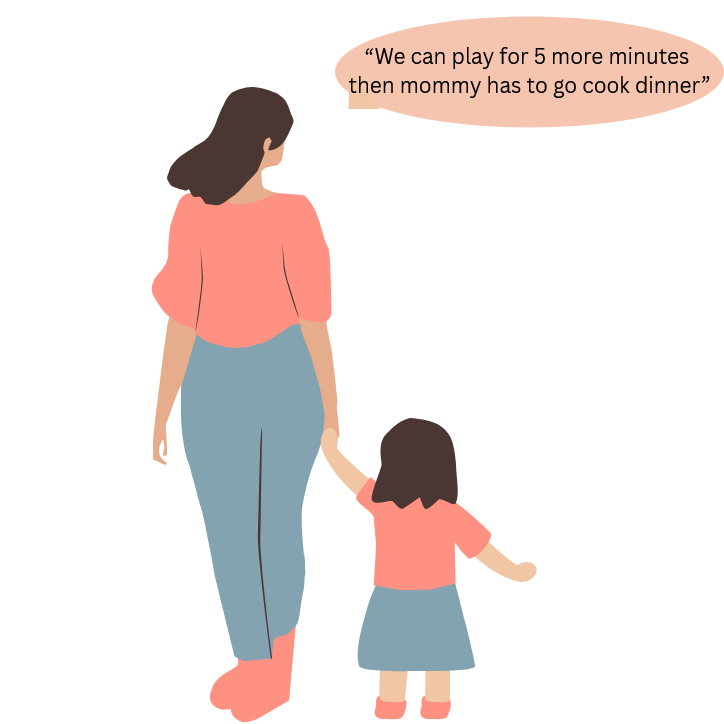
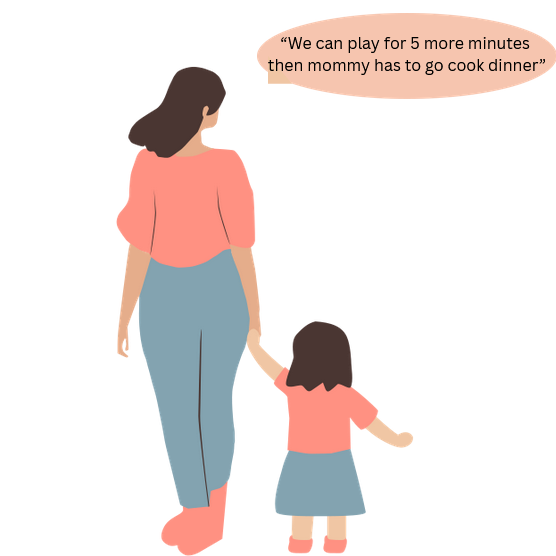
- “Two more minutes, then we’re cleaning up.”
- “After this turn, it’s time for brushing teeth.”
- “When the timer beeps, tablet time is all done.”
- “First puzzle, then snack.”
Simple. Clear. Quick.
A five-second warning can prevent a five-minute meltdown.
Why priming helps so much with behavior
Priming gives kids:
- Predictability → They know what’s coming
- Control → They get time to shift their attention
- Closure → They can finish or pause their activity
- Safety → Abrupt changes feel less jarring
- Confidence → They understand the sequence of their day
But my favorite part?
Priming builds trust.
A child who feels prepared is a child who feels respected. And when transitions feel fair, behavior improves naturally—no battles, no power struggles, no raised voices.
A few things I’ve learned after a decade of using priming
- Don’t overtalk it. Keep it short.
- Your tone matters more than your words.
- Countdowns help, especially for kids who need extra time.
- If you warn them and then don’t follow through… trust me, they notice.
- Priming isn’t a lecture—it’s a courtesy.
And honestly?
I forget to do it sometimes too.
Life moves fast. Kids move faster.
But every time I remember to prime, things go smoother for everyone.
Leave a Reply